


It’s about that time when bass are moving up shallow. It’s a fun time of year to throw moving baits and flip soft plastics, and one rig you can’t overlook this season is the wacky worm rig. As a pre-spawn bait, you can put this rig just about anywhere at any time and be successful. In fact, except for winter slow-down, a wacky rig setup, or stick bait, can be useful when the weather is hot when fish are pressured, before and after cold fronts, and when all other lures appear useless.


Why Fish a Wacky Rig?
It’s the simplest rig to fish – you have a worm and a hook and line, and that’s it! But why is this method so great? There are many theories. I think the power is in the drop; that small wiggle action as it falls weightless that proves irresistible. The year-round versatility of this lure is why it deserves a place front and center in your tackle box.

Other methods include throwing it weighed and using an o-ring for added support which can be a fantastic way of preserving your worms. This method is a level-up strategy for when fish are more aggressive when that bite is received on a faster, more aggressive presentation. In this case, a swifter rate of falls.
Best Worm Products
Some awesome worm brands to go with:
My go-to in most scenarios is Gary Yamamoto Custom baits for their action. Each bait is treated with a salt infusion. This enables the bait to flutter as it sinks, unlike other lures.

A secondary killer for me is Big Bite stick baits. I like to Texas rig it weightless ( or wacky rig it) and cruise shorelines looking to introduce an unwanted intruder to a bass bed in spring.

Best Worm Colors
You can’t beat a pumpkin green worm. This color imitates the most natural forages in clear water scenarios and matches most aquatic environments. When water clarity is darkened or heavy wind is present, move to bolder colors like chartreuse, Junebug blue, and brown.
Hooks
Hook size can determine the rate of fall of your bait. Some rigs are built weedless, others are weighted. This is where you can experiment. Use a #1-2 VMC waky rig hook for 5-6inch senokos. This would be a good place to start.
Just remember, the smaller the hook, the slower the fall. Often the slow flutter triggers a bite so experiment with what works best. I add weight when trying to pass through submerged vegetation. I’ll also begin weightless, then switch to the weighted presentation if I know fish are present, but somewhere deeper.
Wacky Worm Rig: Line
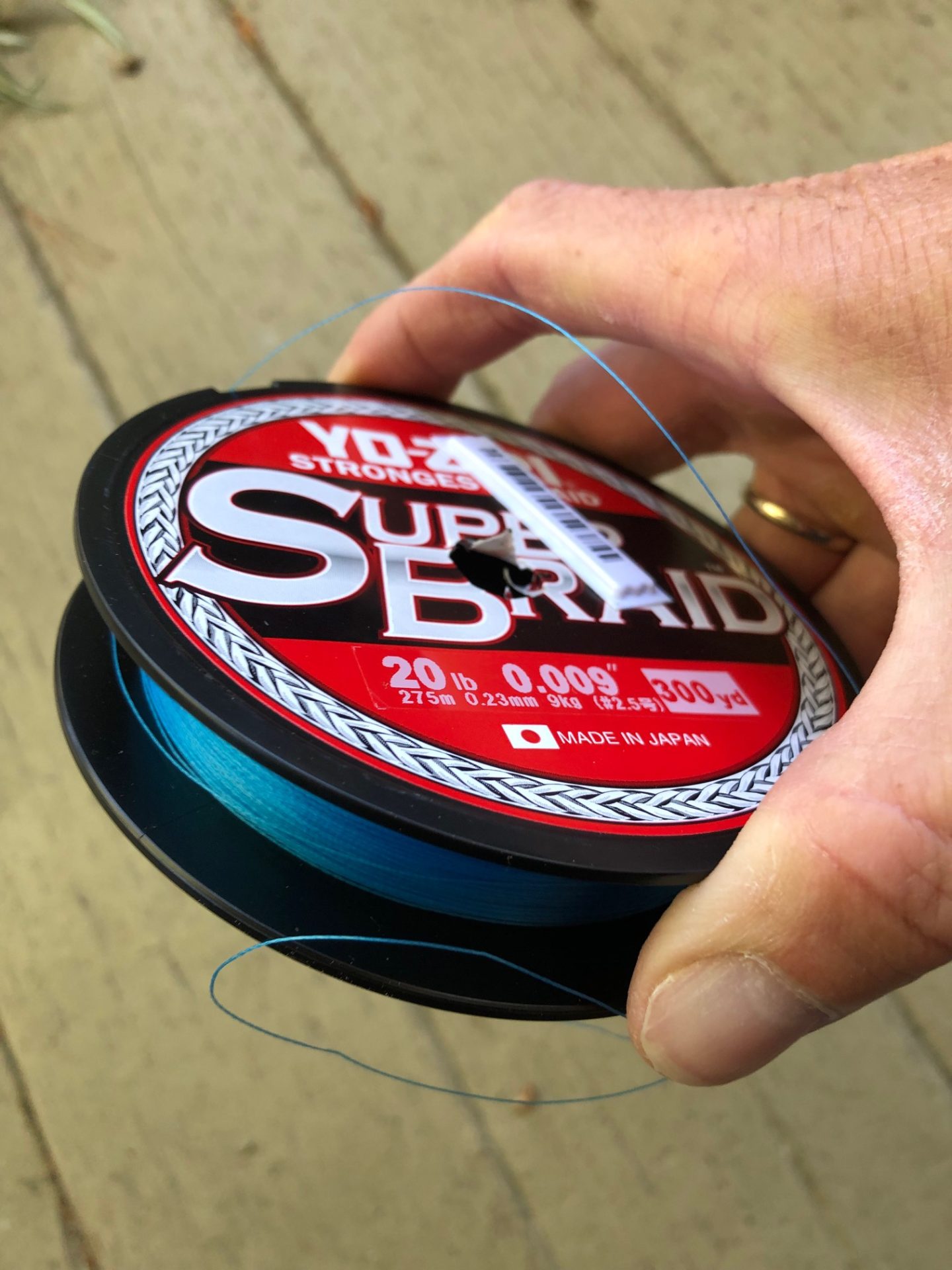
When plunging this little critter into cover like grass, a sturdy line is important. A 15-20 lb braided line works well when flipping into cover. As a leader, I’ll go with a 15 lb P-Line Tactical fluorocarbon leader and join this to my main line with a double uni-knot or an F-G.

Having that no-stretch quality of braided line allows for better hook sets. If you’re unfamiliar with finesses fishing, a high visibility line will enable you to hold a visual for line jumps. This comes in handy during darker days when fluorocarbon is practically invisible.
Wacky Worm Rig: Where To Fish It

You can fish this rig anywhere. Boat docks and lifts are perfect places to start, especially in summer when bass shield themselves from the sun. But the heavier the grass, the heavier your worm should be, the heavier the line. You can also begin with a weightless presentation letting the worm fall onto the first layer of grass. You can switch to a weighted presentation to push it further if no bites are detected. Bass in summer will dig deep into submerged grass.
Less Action Is Key
Worm brands like Gary Yamamoto Custom Baits are designed to flutter as it falls. So the less action you put into it, the better. I see a lot of guys losing their fitness technique when growing impatient and begin using too much action on their rod.
Cast out and let it hit bottom. Stay alert to line jumps and small thumps. Some anglers prefer straight fluorocarbon to minimize break-offs and bending the hook, so it comes down to your preference. Gently raise the tip of your rod to give the worm a pop. Let it fall on its own and then repeat.
Dead Stick It
I can’t tell you how many bites I’ve gotten on a still worm. If you’re fishing heavy brush or isolated grass, try casting out and letting your bait fall on a slack line. Let the worm him bottom. Real in until your line is tight, keep the connection between you and your worm, and wait for bites. This is when a high visibility line comes into play because many of these bites are subtle.
Wacky Worm Rig: Spring


As bass begin moving up shallow they’ll stage on main lake points, feed, and then transition to shallow water to spawn. This is a great time to throw a wacky worm because you can site fish for large females and smaller males looking to secure a spawning bed. It also presents a meal/invader; a slow-moving food source or an animal that doesn’t belong in their bed. I like to shake the worm softly (almost vibrating it) when entering a bass bed. This is easy to accomplish when sight fishing. The key is to keep the lure in one place. Another option is to crawl your wacky rig worm across the bed.
Wacky Worm Rig: Summer
You can fish your worm around docks, grass, submerged stumps and trees, brush piles, and anywhere that looks bassy. Target cover that provides shade for fish in those hot, mid-mornings and afternoons. Try fishing weed lines along deeper areas near drop-offs and ledges (shown below).


Fall
You can use a more aggressive set-up in the fall by adding weight to your worm. This time of year, fish are moving up shallow and feeding voraciously. Dragging or popping a worm provides an easy meal. It also provides a meal that stands out from the thousands of other baitfish bass are keyed in on.